

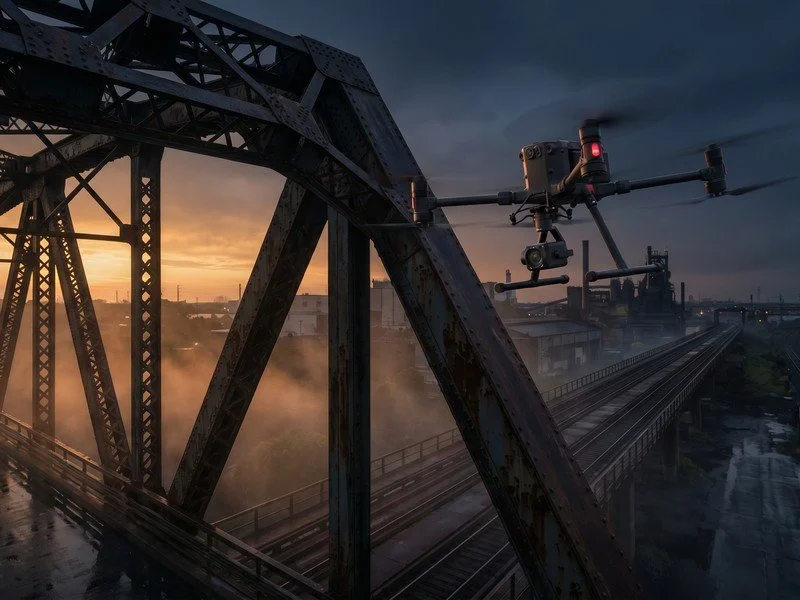
Assets & Infrastructure Precision Inspection & Condition Intelligence
High-fidelity Data Capture: Drones, Robotics, ROV, 360-degree data acquisition: For asset inspection, condition monitoring, engineering-grade datasets, rapid analysis and digital twins decision support.
All Assets. All Environments. One Complete Data Set.
All Assets. All Environments: Aerial, Ground, Interior, Submerged, and Confined Spaces.
ISO 9001 |
ISO 14001 |
ISO 45001 |
CASA ReOC |
$20M Insured |
Bridge Inspection L1 |
ChemCERT |
OONP |
EVLOS 1 & 2
Night Operations |
EBVLOS |
Sheltered Operations |
Qld Environment, Tourism & Innovation: Registered Suitable Operator |
ISO 9001 | ISO 14001 | ISO 45001 | CASA ReOC | $20M Insured | Bridge Inspection L1 | ChemCERT | OONP | EVLOS 1 & 2 Night Operations | EBVLOS | Sheltered Operations | Qld Environment, Tourism & Innovation: Registered Suitable Operator |
Making Critical Decisions with Incomplete Data
You're also having to manage risk mitigations for high-risk working at height, confined spaces or underwater, creating OHS exposure.Incomplete, non-current and inconsistent reportingNo structured year-on-year comparabilityShutdown dependency, cost and disruptionInflated access costs and lost productivityDelayed defect detection is driving reactive maintenance cycles, increasing cost by up to 40%High insurance premiums & replacement costs3-5x More Cost
Manual inspections cost more than preventative maintenance programs. 85%
Of critical sub-surface defects can be missed by visual-only inspections.Fragmented data
Multiple sources prevent effective lifecycle analysis, shorten the asset lifecycle by 30 to 40%, and cost you 40% more to maintain.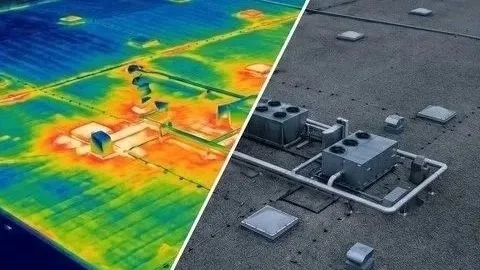
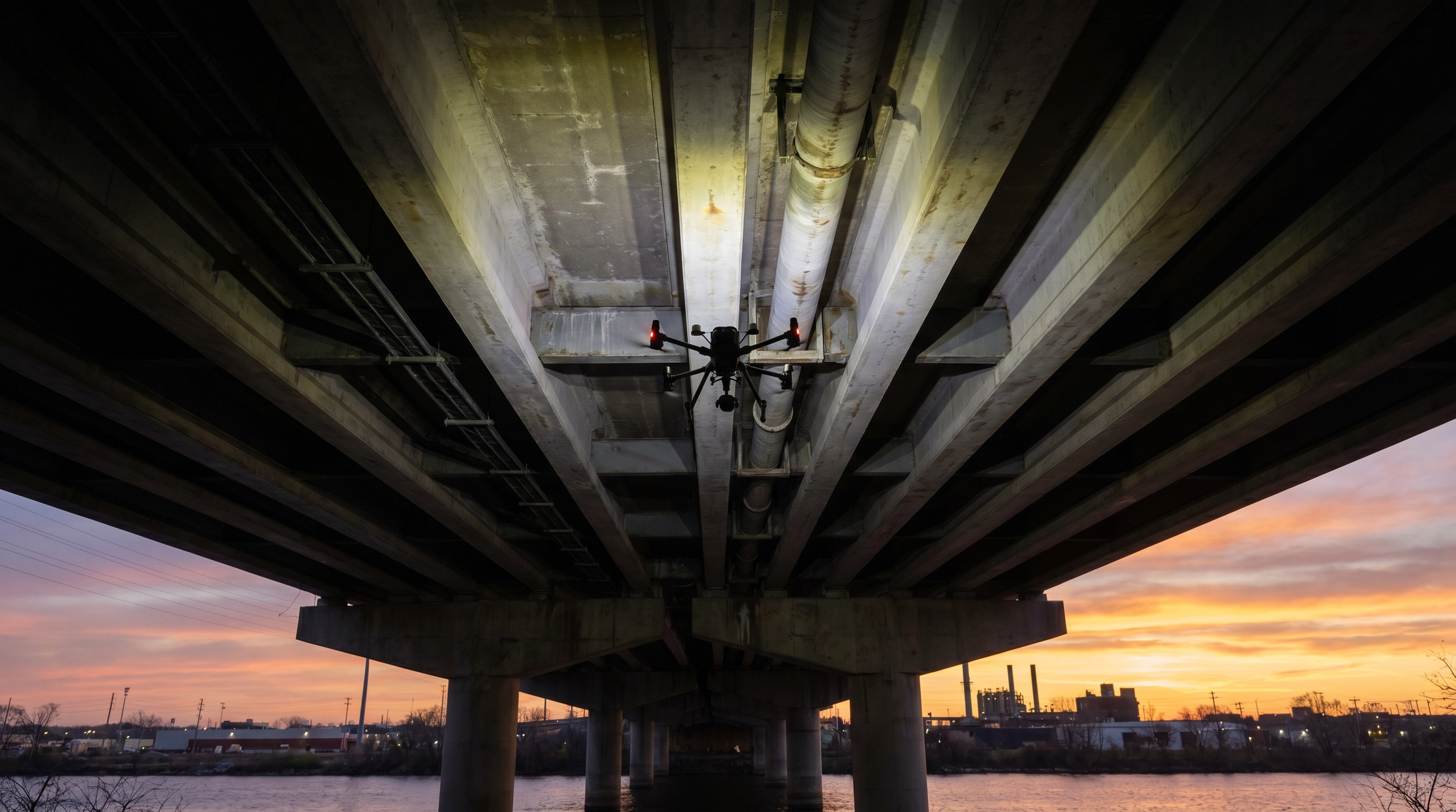
Actionable Intelligence from a New Perspective
One partner. Four environments.
Engineering-grade data your team can act on today.
One procurement, four environments.
Stop managing multiple contractors. We cover air, ground, confined space, and underwater assets in a single, unified intelligence program. Captured by aerial drones, 360 Cameras & ground robotics, confined space specialised drones and submerged ROVs, using thermal, high resolution visual, photogrammetry, lidar and multispectral sensors.Digital twins accurate to +/- 2cm.
Measure, plan, track, categorise, prioritise, allocate, and monitor remotely using survey-grade 3D to 8D interactive models. Eliminate costly and unnecessary return site visits and unplanned CapEx.Find what the eye can't see.
Our fused sensor data (visual + thermal) reveals subsurface defects, increasing detection by up to 60% and allowing you to act before minor issues become major failures.Zero or Minimum Operational Disruption.
We hold advanced CASA approvals (EVLOS, EBVLOS, OONP, sheltered & night operations) to conduct detailed inspections without requiring shutdowns, traffic control, scaffolding, ropes, high-risk entries or production downtime where possible.The Value
20-60%
Reduction in Inspection Costs
Cut inspection costs by eliminating the need for scaffolding, rope access, and lifts, and reduce reactive maintenance expenses by as much as 60% by deploying remote, automated inspection systems.159.7%
Improved Defect Detection
Reveal concealed subsurface defects and subtle thermal anomalies that are invisible to the naked eye by leveraging our advanced, multi-sensor inspection approach, combining high-resolution imaging, thermal analysis, and precision sensing for comprehensive, engineering-grade diagnostics.40%
Reduction in Reactive Maintenance Costs
Predictive maintenance can cut costs up to 40% vs. reactive fixes by spotting wear early, cutting downtime, extending asset life, and right-sizing spare parts.

Continuous monitoring and data-based diagnostics mean parts are serviced only when needed, reducing labour, insurance premiums, lost production, and secondary damage, resulting in savings and higher reliability.
Infrastructure Inspection Program Savings Calculator
Estimate the total value of transitioning from traditional to robotic inspection across your infrastructure assets.
Request Your Full Scoping Report
We'll prepare a detailed assessment based on your inputs above, including a tailored inspection program, timeline, and ROI analysis.
90%
Risk Mitigation
Remove personnel from hazardous environments such as working at heights, operating in confined spaces, or working near live infrastructure, to reduce or remove risks and improve safety outcomes.We replace scaffolding and guesswork with RTK-enabled precision and multi-sensor capture. Our enterprise drone fleet delivers objective, repeatable data that integrates directly into your existing asset management workflows.Millimetre-Level Accuracy:
We utilise Emlid RS3 receivers, checkpoints and ground control points to achieve +/-2cm positional accuracy, ensuring your digital twins and inspection models are spatially defensibleMulti-Sensor Intelligence:
We capture high-resolution RGB, radiometric thermal (FLIR), and 360-degree data simultaneously, providing a comprehensive view of asset health.Enterprise Processing:
Data is processed through enterprise software, transforming raw imagery into actionable, measurable 3D models and orthomosaic.Minimum Operational Disruption:
Our CASA-certified pilots operate safely alongside your active site, eliminating or minimising the need for costly shutdowns, operational disruptions or exclusion zones.Precision Data Capture at Scale
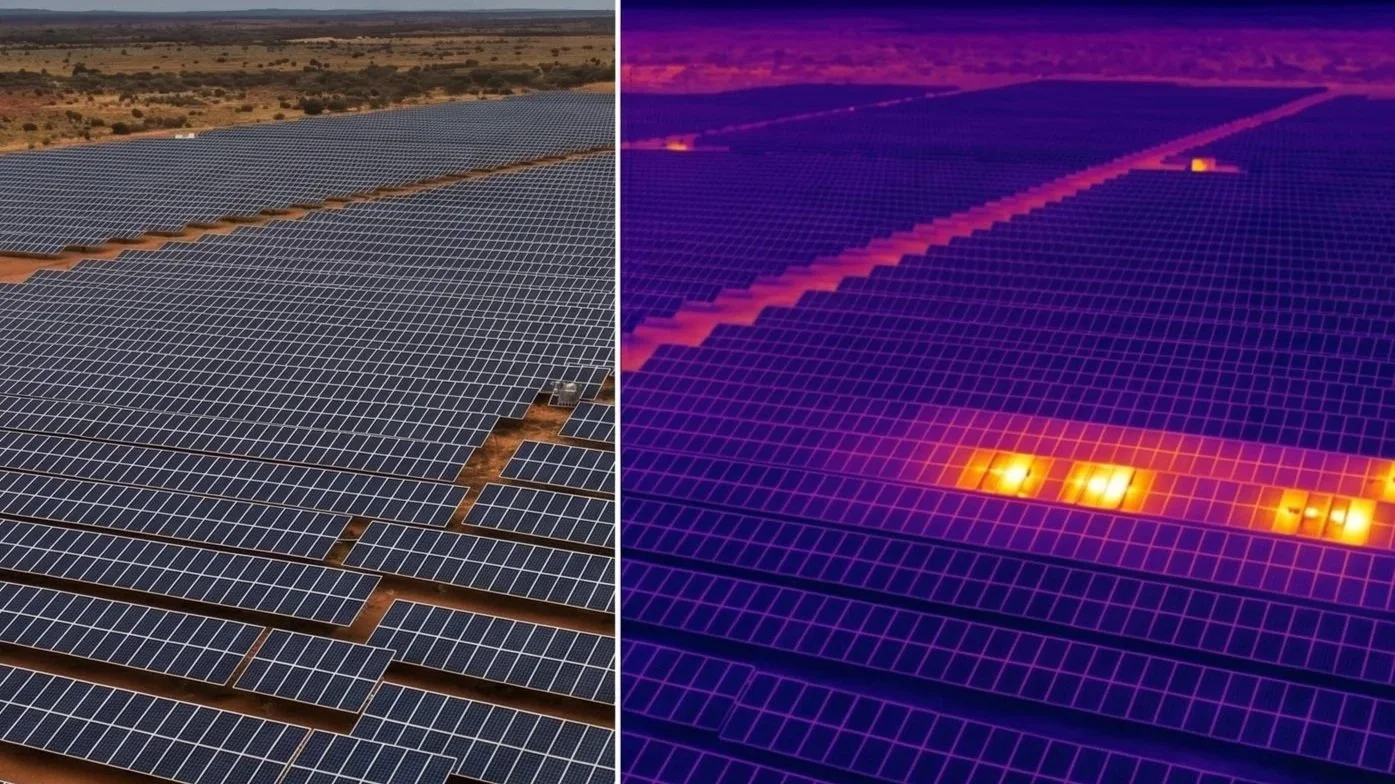
Thermal Inspection and Infrared Condition Assessment
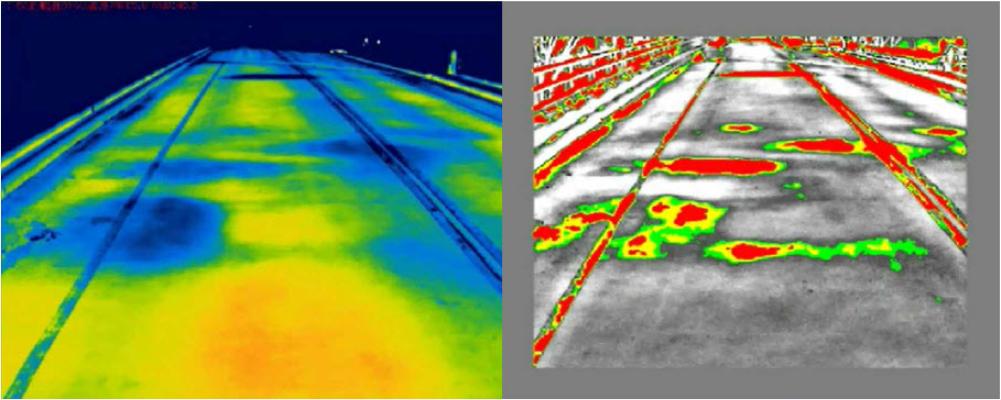
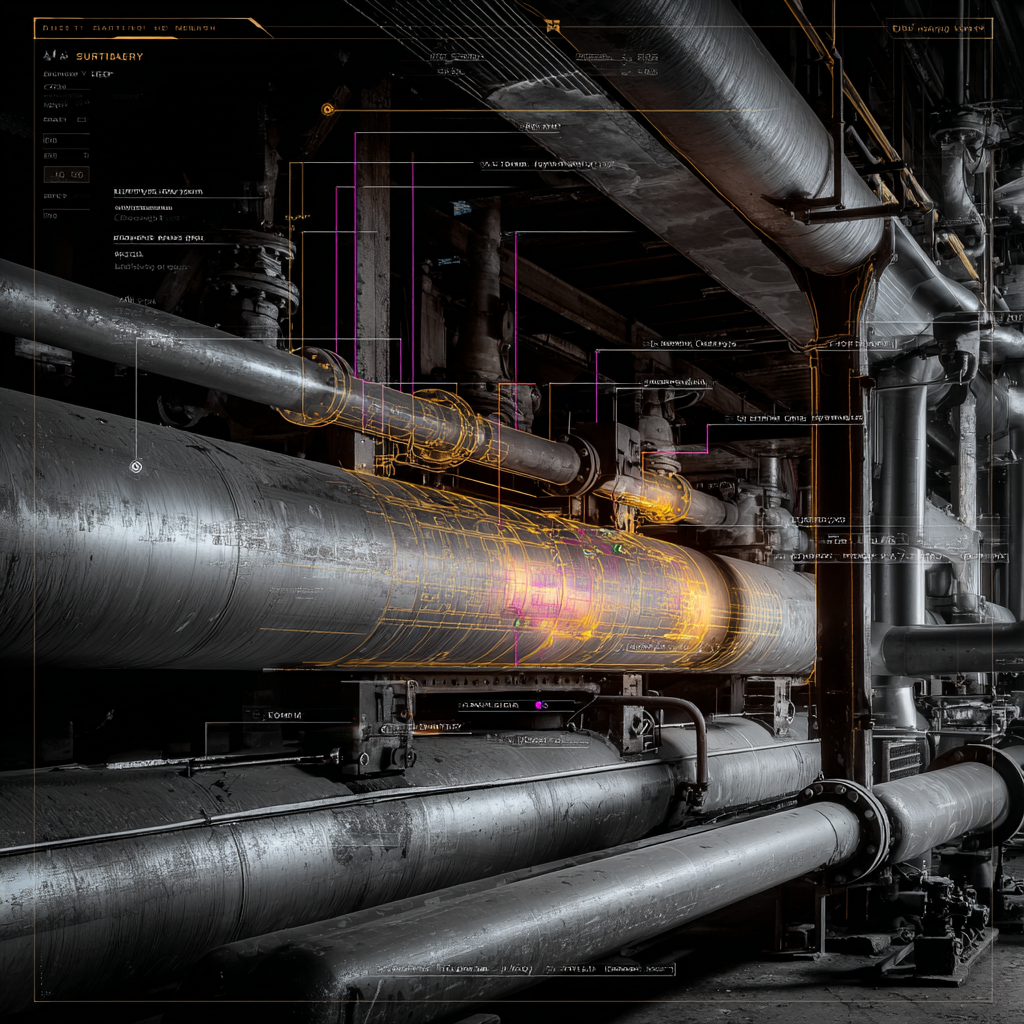
Thermal inspection services identify temperature differentials indicating moisture intrusion, insulation failure, electrical anomalies, and heat-related asset degradation not visible through standard visual inspection alone.Using calibrated radiometric sensors, outputs include:Georeferenced thermal anomaly reportsTemperature differential analysisIntegrated visual and infrared overlaysDocumentation suitable for engineering review and insurance assessment
Digital Twin and 3D Asset Condition Modelling
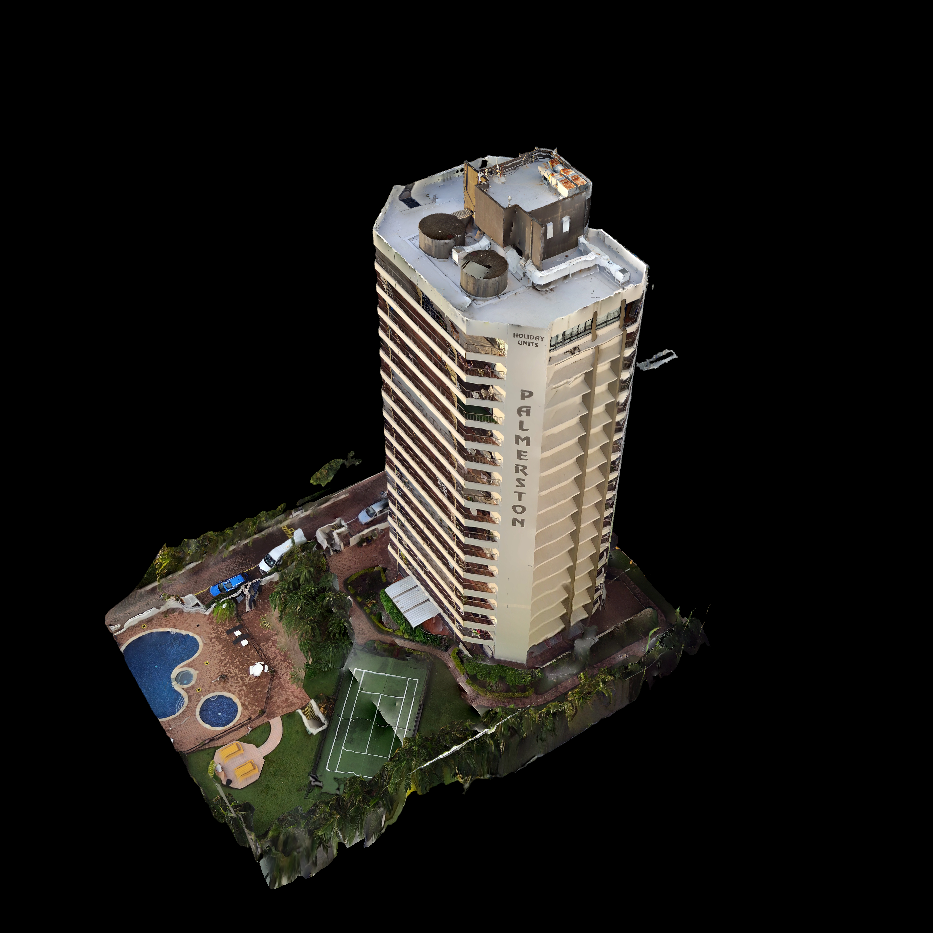
Inspection data is transformed into spatially accurate digital twins that provide measurable, defensible representations of asset condition, before, during and after works. Digital twin modelling extends inspection outputs into measurable, time-comparable asset records.Digital twin services support:Defect detection, mapping and trackingTime-series comparison across inspection cyclesIntegration into BIM and GIS asset systemsLifecycle planning and capital prioritisationRTK/PPK with Ground Control Points for faster defect rectificationsStakeholder communicationProject scheduling, quality, and budget controls
Applicable Industries
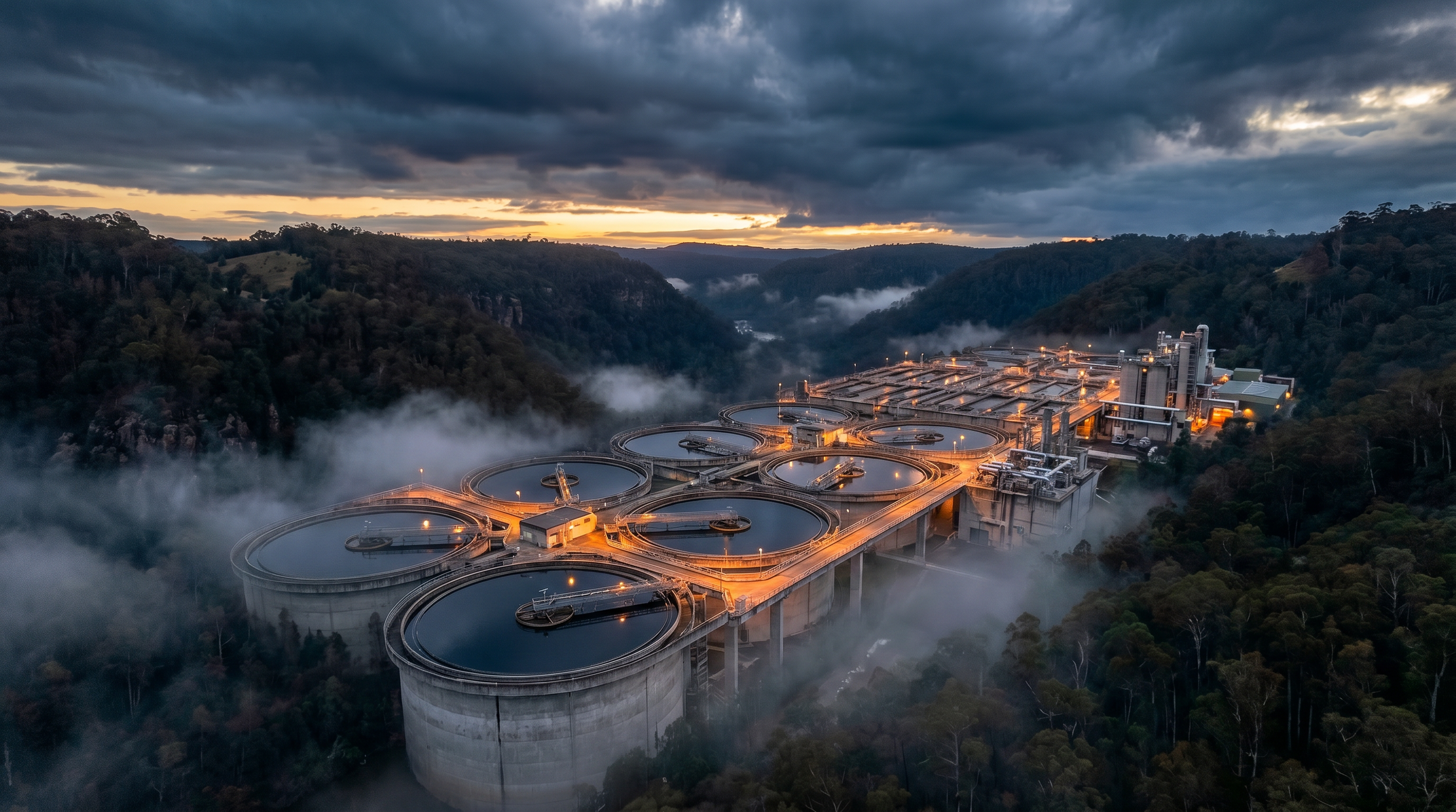
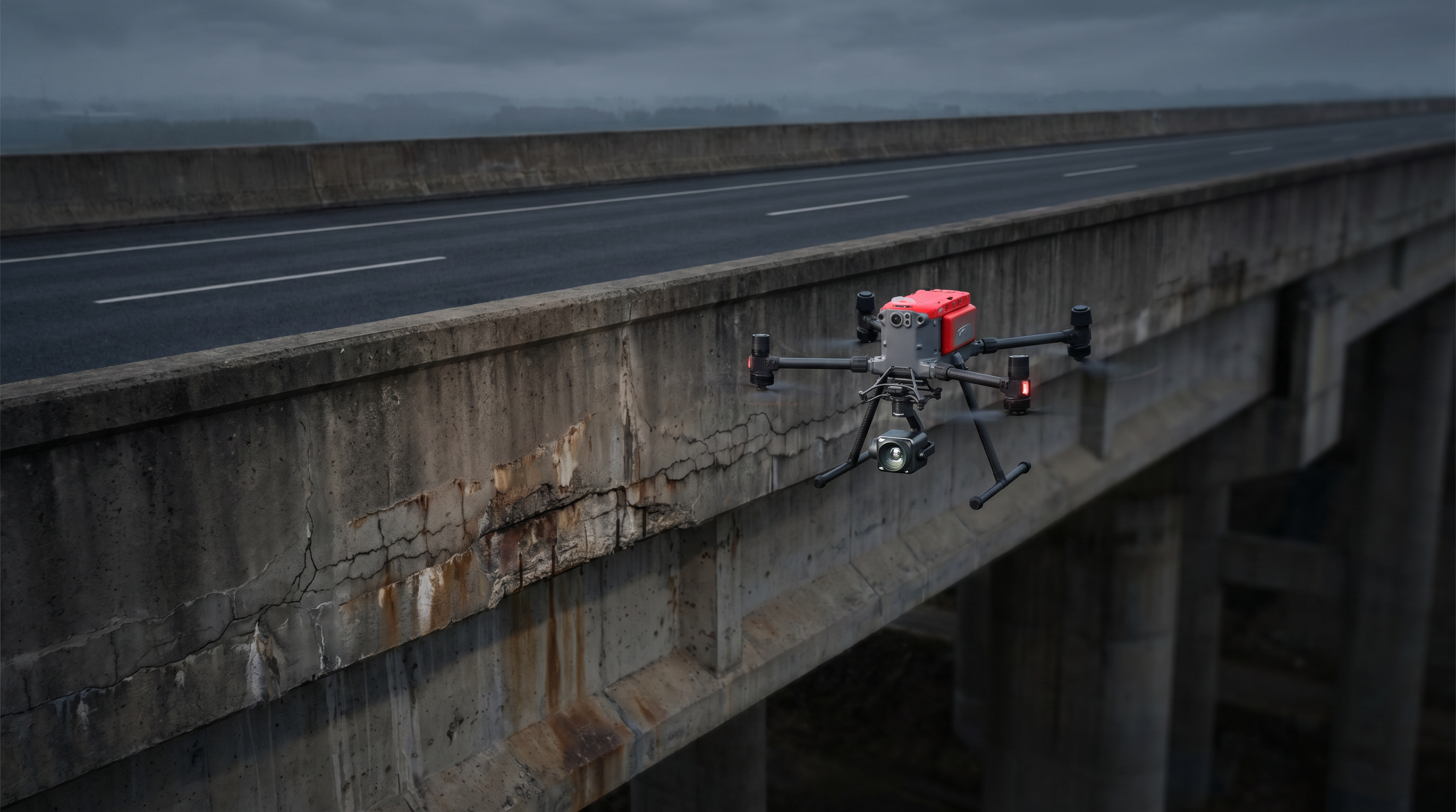
Bridges, rail corridors, roads, pavements, culverts and tunnels.Power lines, substations, solar farms, dams, wires, pipelines, tanks, and mining assets.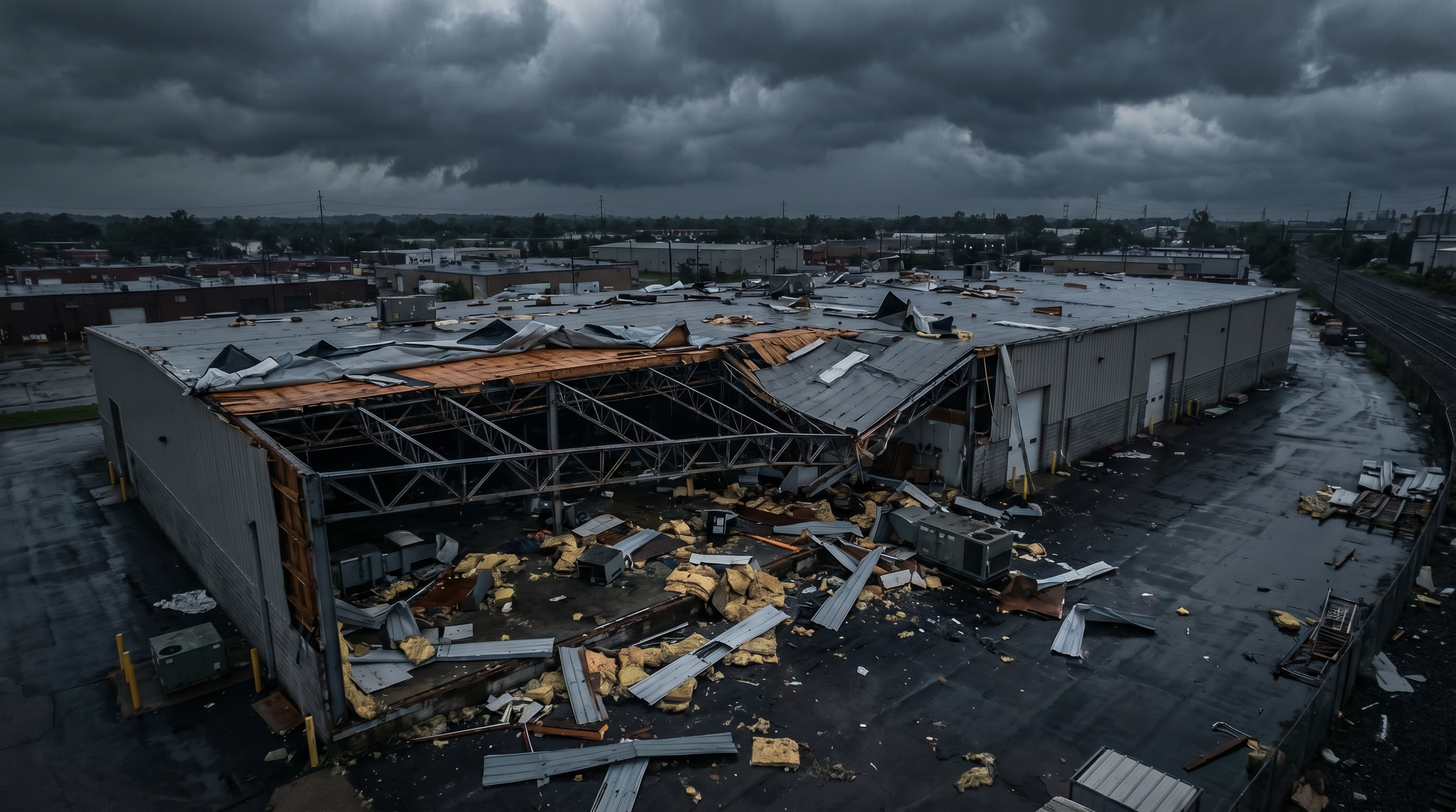
Infrastructure management, emergency planning, response and recovery, and environmental monitoring.Property, Facilities & Portfolios
Facade inspections, roof assessments, and portfolio-wide condition monitoring.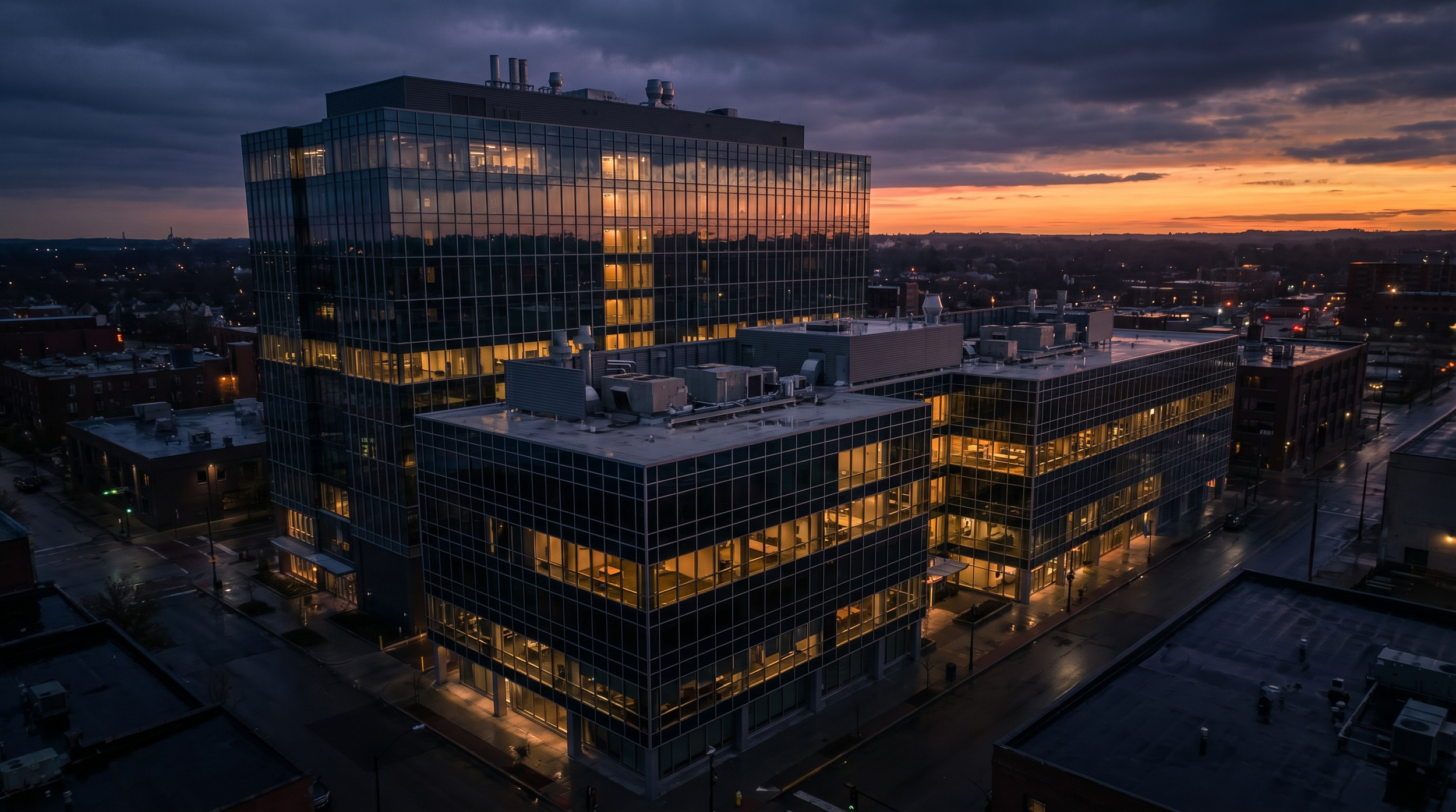
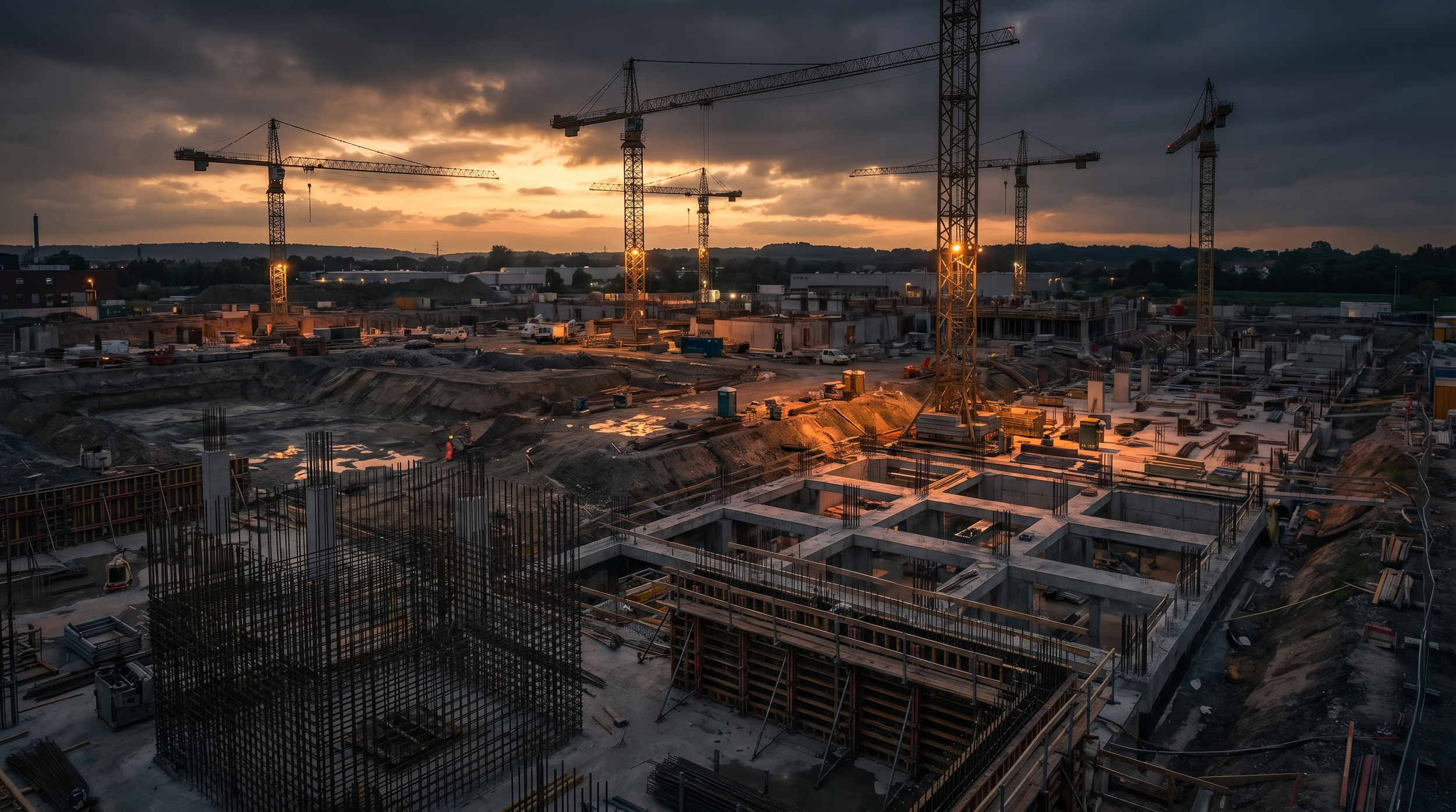
Engineering, Construction & Development
Pre-tender animation overlays, Site earthworks & AR capture, project progress monitoring, volumetrics, quality assurance, safety AI compliance, time series and as-built verification.
Frequently Asked Questions
How long does an aerial drone inspection take?
Most standard asset inspections are completed within a single day on-site, compared to the days or weeks required for scaffolding setup and manual inspection. Complex or sprawling sites may take longer, but we define the exact timeline during our initial scoping phase. The key advantage is zero setup time: we arrive, fly, and capture without the mobilisation delays of traditional access methods.
What CASA approvals do you hold?
We hold a CASA Remote Operator Certificate (ReOC) with advanced endorsements including Extended Visual Line of Sight (EVLOS I and II), Enclosed Beyond Visual Line of Sight (EBVLOS), Night Operations, Sheltered Operations, and Operations Over Own Property. These approvals enable operations that most drone operators cannot legally perform, including close-proximity structural inspection, after-hours operations, and autonomous security patrols.
What deliverables will I receive?
Deliverables are tailored to your specific requirements and may include: high-resolution imagery and video, annotated defect reports, 3D digital twin models accessible via browser-based viewer, thermal condition maps, orthomosaics, LiDAR point clouds, volumetric measurements, and engineering-grade datasets in industry-standard formats (LAS, OBJ, GeoTIFF, CSV). All deliverables are defined during scoping so there are no surprises.
How does this improve safety?
Remote inspection eliminates the need for working at height, confined space entry, and underwater diving for routine condition assessments. This removes your team from high-risk environments entirely. Our methods reduce OHS exposure by up to 90% compared to traditional inspection approaches while delivering superior data coverage. Zero incidents across all operations to date.
Will we need to shut down our site for the drone inspection?
In most cases, no. Our advanced approvals and operational procedures allow us to inspect assets during normal operations. We coordinate with your site team to ensure zero disruption to production. For assets requiring shutdown access (internal vessel inspection, for example), we minimise the window required by completing capture in hours rather than the days needed for scaffolding and manual methods.
How is this different from hiring a standard drone pilot?
A standard drone pilot captures footage. We deliver actionable intelligence. The difference is in advanced CASA approvals (most pilots hold basic licences only), enterprise-grade sensors (not consumer cameras), engineering-grade processing through our reality modelling platform, structured reporting aligned to your asset management framework, and ongoing digital twin maintenance. We are a data intelligence company that uses drones as one capture method among several, not a drone company that takes photos.
What level of accuracy can we expect?
Using RTK/PPK GNSS workflows with ground control points, we achieve 2-3cm horizontal and 3-5cm vertical positional accuracy. For defect detection, our high-resolution sensors identify cracks as small as 0.1mm, corrosion patches from 5mm diameter, and thermal anomalies of plus or minus 2 degrees Celsius. This exceeds the detection capability of manual visual inspection in most applications.